The Impact of Nurture on Pitbull Behavior: Unveiling the Dominance of Upbringing
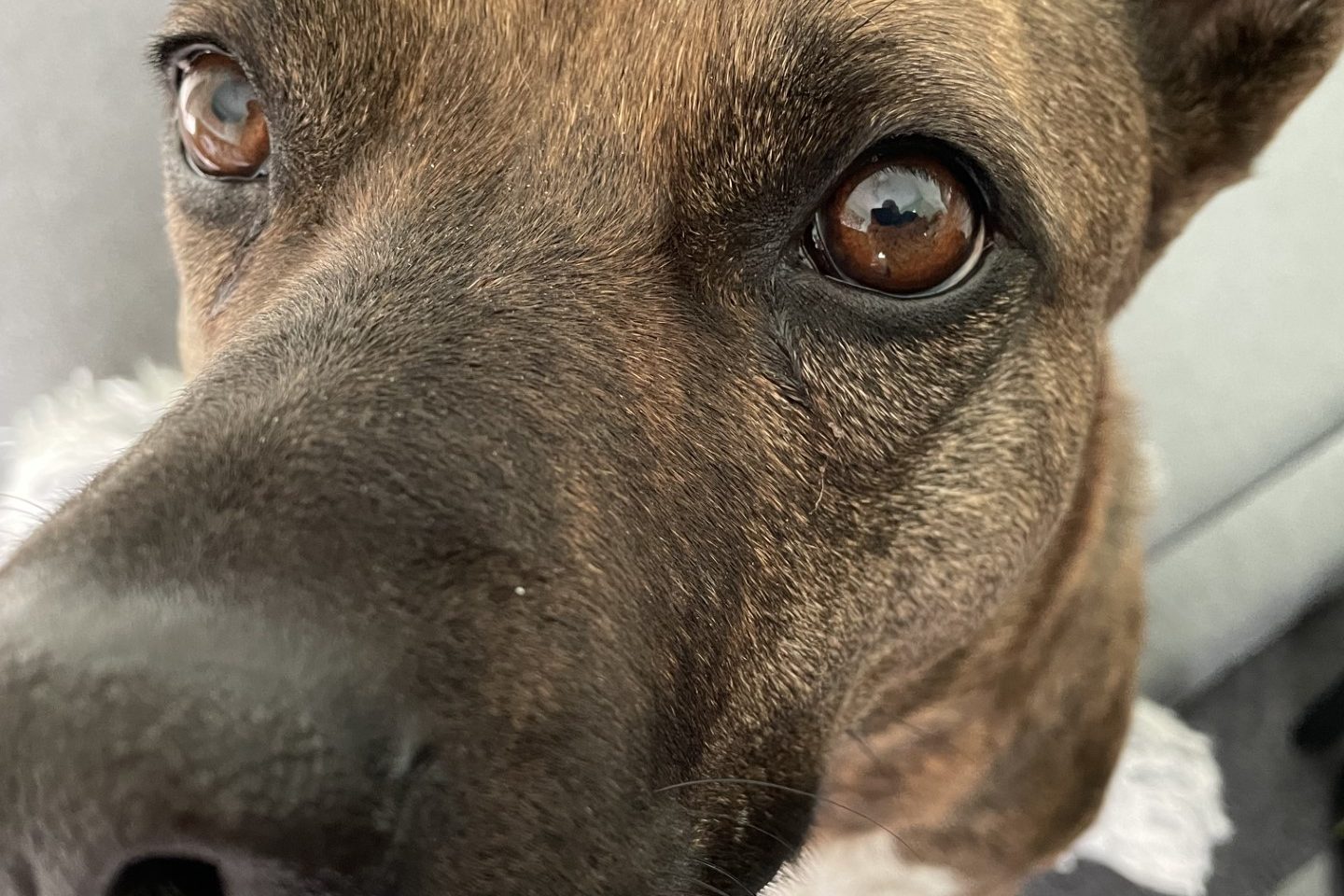
And here’s a picture of my dog, Mocha!
I asked ChatGPT to write a short article arguing in favor of nurture over nature when it comes to the oft maligned pitbull. Like families around the country, we adopted a new pet during the pandemic. She was listed as an “American Mix” which we learned was code for at least some portion of pitbull. While our new family member, Mocha, has proven to be more than a handful, she has become more considerate and obedient over time.
After asking ChatGPT to write the article, I asked for a rewrite optimized for SEO. Here’s ChatGPT’s second run
Introduction
Pitbulls have been a subject of ongoing debate, centering around the interplay between their innate nature and their environmental upbringing. In this article, we delve into the argument that nurturing, encompassing training, socialization, and care, plays a paramount role in shaping the behavior of pitbulls, outweighing their genetic predispositions.
The Significance of Nurturing
Nurturing encapsulates external factors that mold pitbull behavior, including training methodologies, social exposure, and overall care quality. A pitbull raised in a nurturing environment, infused with affection and positive experiences, is more likely to mature into a well-mannered and socially adaptable companion. Early socialization, for instance, exposes pitbulls to diverse stimuli, reducing the likelihood of future aggressive tendencies and fostering favorable responses.
Training Tactics
The potency of nurturing manifests notably in training methodologies. Pitbulls do not possess inherent aggression; rather, their behavior often echoes training approaches and handling. Employing positive reinforcement, which rewards desired actions with treats or approval, emerges as an effective technique for nurturing desirable conduct in pitbulls. Contrarily, punitive methods can instill fear and hostility. Thus, the training and discipline paradigms directly sculpt pitbull attitudes and actions.
Environmental Dynamics
The rearing environment significantly influences pitbull conduct. An environment characterized by neglect or mistreatment can breed anxiety, fear, and aggression. Conversely, pitbulls raised in a loving and attentive milieu tend to exhibit amiable behaviors. The nurturing surroundings furnish the stability and emotional foundation necessary for pitbulls to form strong bonds with their human counterparts and engage harmoniously with others.
Overcoming Adverse Stereotypes
Pitbulls have grappled with negative stereotypes stemming from isolated incidents of aggression. However, these stereotypes fail to recognize the potential of nurturing to counterbalance such conduct. Through appropriate nurturing, pitbulls can exemplify their capacity for loyalty, affection, and obedience, rivaling other breeds in their positive attributes.
Conclusion
While genetics wield influence over pitbull predispositions, the contention that nurturing eclipses nature in shaping behavior remains resolute. Emphasizing affirmative training methods, early socialization, and a nurturing environment, pitbulls can be molded into well-behaved and genial companions. Acknowledging that a pitbull’s demeanor transcends genetic factors, nurturing and care emerge as the true architects of their identity and conduct.
____________________________________________________________________________________________________________________
To contrast the article above with the original response, not asked to be optimized for SEO, see the first draft below. Can you see the difference?
Title: The Role of Nurture in Shaping Pitbull Behavior: A Closer Look
Introduction
Pitbulls have long been a subject of debate, with discussions revolving around their nature versus nurture. While genetics undoubtedly play a role in a dog’s behavior, the environment and upbringing a pitbull receives are equally, if not more, influential in shaping their temperament. This article explores the argument that nurture, or the way pitbulls are raised and trained, plays a more significant role in determining their behavior than their inherent nature.
The Power of Nurture
Nurture encompasses all external influences on a pitbull’s behavior, including training methods, socialization, and the quality of care they receive. A well-nurtured pitbull, raised in a loving and positive environment, is more likely to develop into a well-behaved and sociable companion. Socialization, for instance, exposes pitbulls to different people, animals, and situations during their early stages of life, teaching them appropriate responses and reducing the likelihood of aggressive behaviors later on.
Training Techniques
Nurture’s influence is particularly evident in training techniques. Pitbulls are not inherently aggressive; rather, their behavior often results from inappropriate training methods or mistreatment. Positive reinforcement, where good behaviors are rewarded with treats or praise, has been proven to be effective in fostering desirable behaviors in pitbulls. Harsh punishment, on the other hand, can lead to fear and aggression. Thus, the way pitbulls are trained and disciplined significantly shapes their attitudes and actions.
Environmental Factors
The environment in which a pitbull grows up also plays a vital role in their behavior. A neglected or abusive environment can lead to fear, anxiety, and aggression. In contrast, pitbulls raised in a loving home with proper care and attention are more likely to exhibit friendly and well-mannered behavior. A nurturing environment provides the stability and emotional support needed for pitbulls to develop a strong bond with their human companions and interact positively with others.
Counteracting Negative Stereotypes
Pitbulls have often faced negative stereotypes due to isolated incidents involving aggressive individuals. However, these stereotypes fail to account for the nurturing environment’s potential to counteract such behaviors. With the right upbringing, pitbulls can prove that they are just as capable of being loyal, affectionate, and obedient companions as any other breed.
Conclusion
While genetics do play a role in shaping a pitbull’s predispositions, the argument that nurture is more critical than nature when it comes to their behavior stands strong. By focusing on positive training methods, early socialization, and providing a loving environment, pitbulls can be molded into well-behaved and gentle companions. It is essential to recognize that a pitbull’s behavior is not solely dictated by their genetics; rather, it is the nurturing and care they receive that truly define who they become.